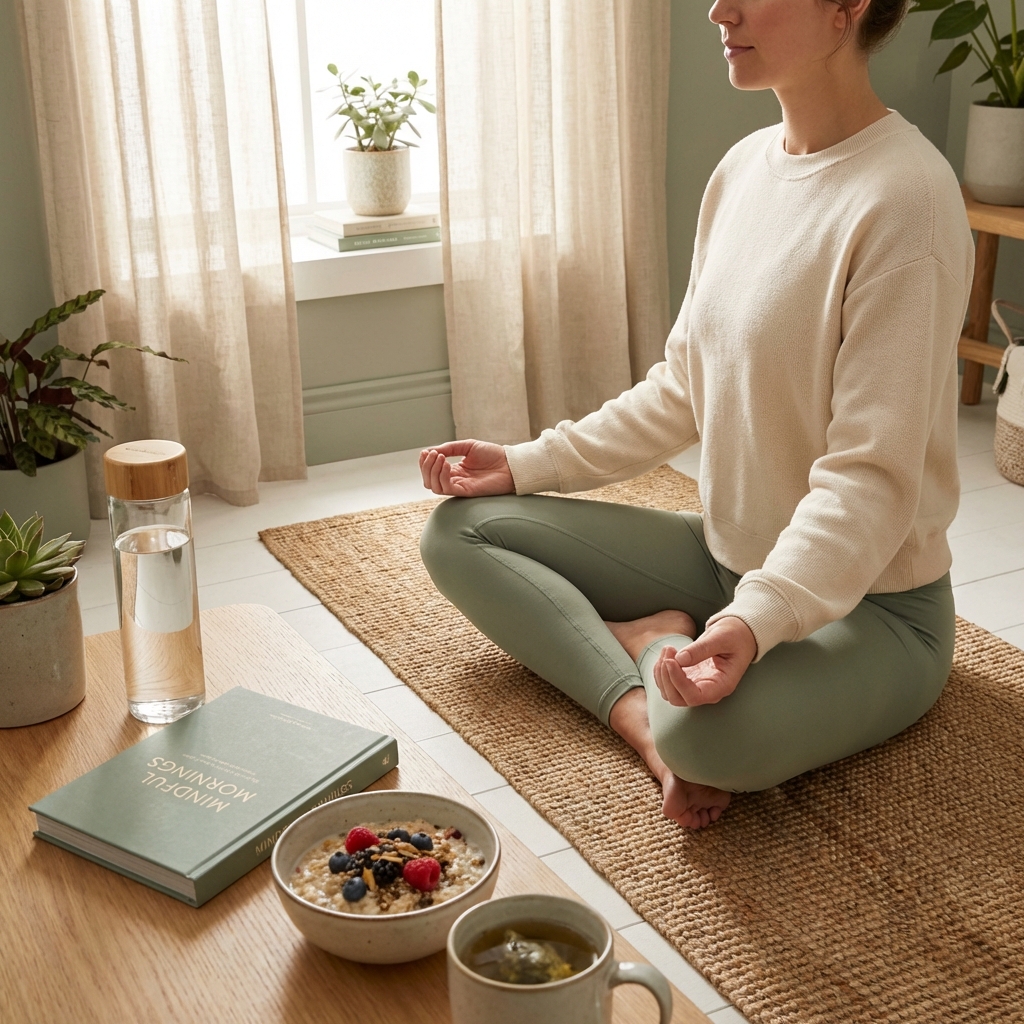
When I first discovered 75 Soft, I spent hours trying to understand the "official" rules. The problem? There isn't one official source. The challenge emerged organically as a gentler alternative to 75 Hard, and different wellness experts have interpreted it slightly differently. That's actually a feature, not a bug—but it can be confusing when you're starting out.
In this guide, I'll walk you through each of the four core rules in detail, explain how different sources interpret them, and share what I've learned about making each habit truly sustainable. Because the goal isn't just to survive 75 days—it's to build habits that last a lifetime.
What is 75 Soft? The Origin Story
75 Soft emerged as a response to 75 Hard, the viral mental toughness challenge created by entrepreneur Andy Frisella. While 75 Hard demands two 45-minute workouts per day (one outdoors), a strict diet with zero alcohol, a gallon of water, 10 pages of non-fiction, and a daily progress photo—with a complete restart if you miss anything—75 Soft takes a more compassionate approach.
The exact origin of 75 Soft is somewhat murky. It appears to have developed organically within wellness communities as people sought a version of the challenge that prioritized sustainable habit-building over extreme discipline. As Cleveland Clinic's health psychologist Dr. Adam Sacco explains, "75 Soft takes the same concepts from 75 Hard but makes them more accessible and less rigid."
The Philosophy Behind 75 Soft
The emphasis in 75 Soft is to do your best to follow the rules every day—not to achieve perfection. If you miss a step, you're not penalized. You don't have to start over. Instead, you're trusted to hold yourself accountable and focus on the small things you're doing to improve yourself.
Rule 1: Exercise for 45 Minutes Daily
The first rule asks you to move your body for 45 minutes every day. This is perhaps the most flexible rule in terms of interpretation—and that's intentional. The goal is consistent daily movement, not punishing workouts.
What Counts as Exercise?
Almost any form of intentional movement counts. This includes:
- Walking – Yes, a 45-minute walk absolutely counts. Many people complete 75 Soft with walking as their primary exercise.
- Yoga and Pilates – Gentle movement that builds strength and flexibility
- Swimming – Low-impact and excellent for joint health
- Cycling – Indoor or outdoor, any intensity
- Weight training – At home or in the gym
- Dancing – Including dance workout videos
- Sports – Tennis, basketball, hiking, etc.
- Home workout videos – YouTube workouts, fitness apps, etc.
The Active Recovery Day
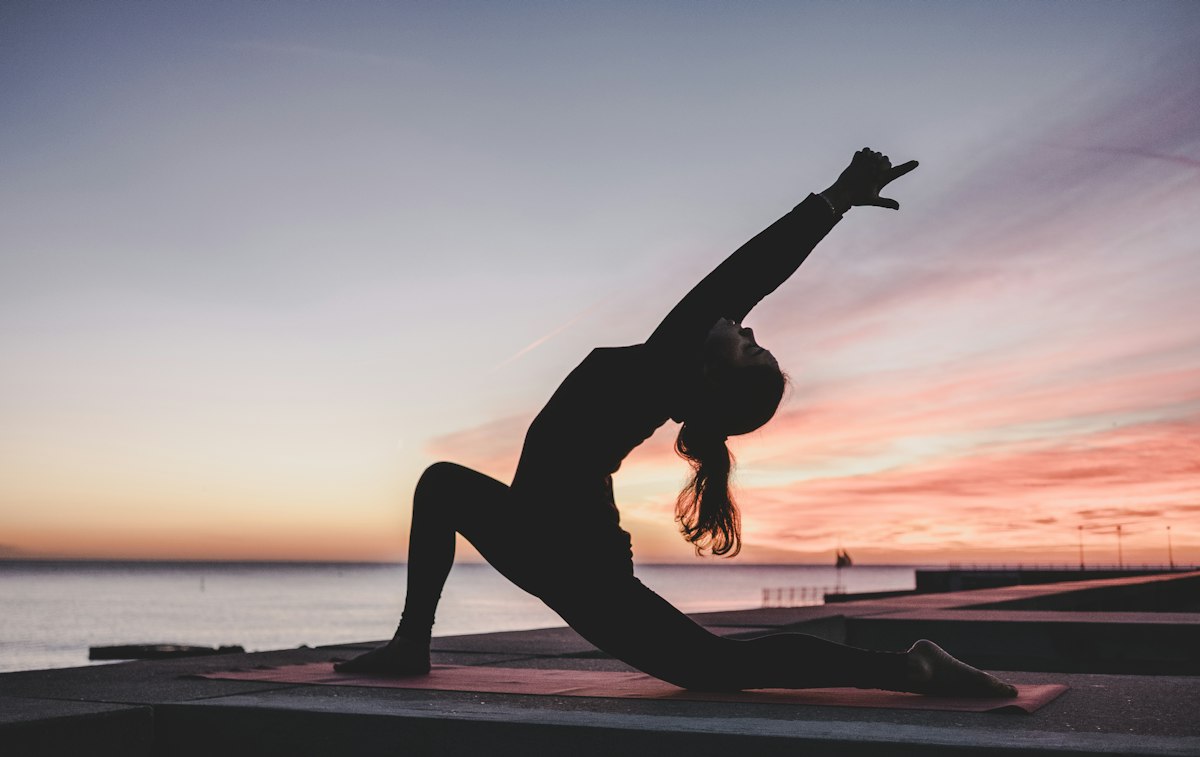
One crucial element that distinguishes 75 Soft: you get one active recovery day per week. According to Women's Health, this should be intentional, lower-intensity movement like "yoga, Pilates, or an intentional walk."
This isn't a "rest day" where you do nothing—you're still moving for 45 minutes. But the intensity is deliberately low to allow your body to recover while maintaining the daily habit. This built-in recovery helps prevent burnout and injury, making the challenge more sustainable.
Can You Split Your 45 Minutes?
This is one of the most common questions, and here's what I've learned: most 75 Soft practitioners say yes. Life doesn't always allow for a 45-minute block. A morning walk plus an evening yoga session still honors the spirit of daily movement. The key is that you're being intentional about moving your body, not using splitting as a loophole to do less.
Rule 2: Follow the 80/20 Eating Approach
This is perhaps the most liberating rule—and the one that makes 75 Soft sustainable where restrictive diets fail. The idea is simple: eat nourishing, whole foods about 80% of the time, and give yourself grace for the other 20%.
What Does "Eating Well" Mean?
Unlike 75 Hard, which requires following a specific diet with zero cheats, 75 Soft trusts you to define what "eating well" means for your body. This might include:
- Prioritizing vegetables, fruits, and whole grains
- Choosing lean proteins
- Limiting processed foods and added sugars
- Cooking more meals at home
- Listening to your hunger and fullness cues
Making 80/20 Work
Don't calculate exact percentages—that leads to obsession. Instead, ask yourself: "Am I making nourishing choices most of the time?" If yes, you're doing great. The flexibility is built in for a reason.
The Alcohol Rule
Here's where 75 Soft differs significantly from 75 Hard. Most interpretations allow alcohol, but with a caveat: only on social occasions. This means no solo "wine after work" as a daily habit, but a glass of wine at dinner with friends or a toast at a celebration is fine.
As The Balanced Nutritionist explains, this rule encourages you to be more conscious about when and why you're drinking, without requiring total abstinence. For many people, this makes the challenge sustainable where complete restriction would lead to rebellion.
Rule 3: Drink 3 Liters of Water Daily
Staying well-hydrated is one of the simplest health habits with some of the most noticeable benefits. 75 Soft asks for about 3 liters (roughly 100 ounces or about 13 cups) of water per day.
Why 3 Liters?
This amount is based on general hydration recommendations for adults. It supports:
- Improved energy levels throughout the day
- Better cognitive function and focus
- Healthier skin
- Proper digestion
- Temperature regulation during exercise
What Counts Toward Your Water Intake?
Here, the consensus is clear: water means water. While some hydration comes from food and other beverages, the spirit of this rule is to drink plain water. Most practitioners agree that:
- Plain water counts (obviously)
- Sparkling water counts
- Water with a squeeze of lemon or lime counts
- Coffee and tea generally don't count toward your water goal
- Juice, soda, and other beverages don't count
Women's Health suggests adding electrolytes for enhanced hydration, especially if you're exercising intensely or in hot weather. This can help with absorption and prevent that "water-logged" feeling.
Rule 4: Read 10 Pages of Any Book
The reading rule is designed to feed your mind while building a daily habit that many people have lost in our scroll-heavy world. Just 10 pages per day—that's about 15-20 minutes for most people.
What Kind of Books Count?
Here's where 75 Soft differs significantly from 75 Hard. The original challenge requires non-fiction personal development books. 75 Soft is more flexible:
- Personal development and self-help – The classic choice
- Fiction – Yes, novels count in most 75 Soft interpretations
- Memoirs and biographies – Learning from others' experiences
- Psychology and wellness books – Deepening self-understanding
- Business and career books – Professional growth
- Spirituality and philosophy – Whatever feeds your soul
According to Women's Health, the goal is simply to "read ten pages of any book per day." The emphasis is on building a reading habit, not restricting what you read.
Do Audiobooks Count?
This is a hot debate in the 75 Soft community. The general consensus:
- Audiobooks – Most people say yes, especially if you're actively listening (not just background noise)
- Podcasts – Generally no—they serve a different purpose than reading
- E-books – Yes, same as physical books
The key question to ask yourself: Am I engaging with long-form content that helps me grow? If yes, you're honoring the spirit of the rule.
Rule Variants: How Different Sources Interpret the Rules
Because 75 Soft doesn't have a single "official" source, you'll find slight variations depending on where you look. Here's how major sources interpret the challenge:
| Rule | Cleveland Clinic | Women's Health | Marathon Handbook |
|---|---|---|---|
| Exercise | 45 min daily, 1 active recovery day | 45 min daily, 1 active recovery day (yoga, Pilates, walking) | 45 min daily, indoor or outdoor |
| Diet | Eat well, alcohol only socially | Incorporate nutritious foods, occasional wine OK | 80/20 approach, flexible eating |
| Water | 3 liters daily | 3 liters daily (add electrolytes) | 3 liters daily |
| Reading | 10 pages of any book | 10 pages of any book | 10 pages daily |
| Progress Photos | Not required | Not required | Not required |
The good news? The core rules are consistent across all sources. The flexibility in interpretation allows you to adapt the challenge to your lifestyle while maintaining the essential framework.
The No-Restart Rule: What Sets 75 Soft Apart
Perhaps the most significant difference between 75 Soft and 75 Hard is what happens when you miss a day. With 75 Hard, missing any rule means starting the 75 days from scratch. With 75 Soft? You just continue the next day.
"If you miss one of these steps, take a break or try out an alternative approach—you're not penalized and you don't have to start the 75 days over again." — Cleveland Clinic
This philosophy recognizes something important: perfection isn't the goal. As Dr. Sacco from Cleveland Clinic notes, "When you're starting a fitness routine or going through lifestyle changes, there will be some things that happen that you can't account for—a flat tire, a sick day, a last-minute emergency. To have some flexibility, give ourselves some grace and the ability to be human can really be helpful."
This doesn't mean the challenge is "easy" or that you shouldn't take it seriously. It means the focus is on building sustainable habits, not achieving a perfect streak. Progress over perfection, always.
Common Questions About the Rules
What if I'm sick?
Listen to your body. Many people modify—doing gentle stretching instead of intense exercise, or taking a complete rest day and continuing the next day. This challenge is about building habits, not breaking yourself.
What if I'm traveling?
Adapt the rules to your circumstances. Hotel room workouts, walking tours, reading on the plane. The key is maintaining the intention even when the execution looks different.
Can I drink coffee?
Yes! Coffee isn't restricted. It just doesn't count toward your water intake. Enjoy your morning coffee, then work on your 3 liters of water throughout the day.
What if I can only exercise for 30 minutes one day?
Do what you can. The spirit of 75 Soft is showing up consistently, not achieving perfection. 30 minutes is better than zero minutes. Just aim for 45 the next day.
Do I need to track everything?
That's up to you. Some people love using trackers and apps. Others prefer a simple daily checklist. Find what helps you stay accountable without feeling overwhelmed.
Making Each Habit Work for You
The beauty of 75 Soft is that you get to define what these habits look like in your life. Here are some practical tips I've gathered for making each one stick:
For Exercise:
- Schedule it like any other appointment
- Have a backup plan (home workout video, walk) for busy days
- Find movement you actually enjoy—this matters more than intensity
- Use your active recovery day strategically (after hardest workout day)
For Eating:
- Meal prep on Sundays to set yourself up for success
- Don't label foods as "good" or "bad"
- Focus on adding nourishing foods, not just restricting
- Plan ahead for social events
For Water:
- Get a marked water bottle so you know how much you're drinking
- Front-load your water—aim for 1 liter before noon
- Set phone reminders if needed
- Keep water visible throughout the day
For Reading:
- Read first thing in the morning or right before bed
- Keep your book next to your phone to create a swap habit
- Choose books you're genuinely excited about
- It's okay to abandon books that aren't serving you
Ready to start your 75 Soft journey? If you're brand new to fitness challenges, check out our beginner modifications guide. Short on time? See how to fit the challenge into a busy 9-5 schedule. And for all your edge case questions, browse our comprehensive FAQ page.