
There's a particular kind of frustration that comes with having been fit—with having known what your body could do—and finding yourself in a body that feels unfamiliar. Whether you've just had a baby, recovered from surgery, come through a chronic illness flare, or navigated a mental health crisis, the path back to yourself can feel impossibly long.
This is where 75 Soft shines—not as another pressure to "bounce back," but as a framework for gentle rebuilding. This guide is for you if you're recovering, rebuilding, or simply ready to return to yourself at whatever pace feels right.
Why 75 Soft for Recovery
Traditional fitness challenges—75 Hard especially—are designed for people at full capacity. They assume you can push hard, recover quickly, and have mental bandwidth for perfectionism. When you're recovering from something, none of those assumptions hold.
What Makes 75 Soft Different
- One workout per day — Not two. Your recovering body needs rest.
- Active recovery allowed — Some days your "workout" can be stretching or walking.
- 80/20 nutrition — No perfect eating required. Room for comfort food, cravings, survival mode.
- Weekly alcohol allowance — Not that you'll necessarily use it, but the flexibility matters.
- Imperfect days don't restart the clock — You can have bad days without the whole thing falling apart.
The Core Philosophy
Recovery 75 Soft isn't about "getting your body back"—it's about reconnecting with yourself, building habits that serve your current life, and creating a foundation for long-term wellbeing. The goal is sustainable daily practices, not rapid transformation.
The Postpartum Framework
Postpartum recovery is its own universe. Your body has just completed a marathon of growing and birthing a human. Your hormones are recalibrating. You're probably sleep-deprived. And somewhere in there, you're supposed to remember who you are as a person.
Before You Start
Required:
- Medical clearance from your OB/midwife (typically 6 weeks postpartum minimum)
- Assessment for diastasis recti (abdominal separation)
- Pelvic floor evaluation if possible
- Stable mental health baseline (postpartum depression/anxiety screening)
Postpartum-Specific Modifications
Exercise (Weeks 1-4 of Challenge)
- Walking only—start with 15-20 minutes, build gradually
- Pelvic floor exercises daily
- Gentle stretching
- Baby-wearing walks count—they add extra intensity
- Any day baby kept you up all night = active recovery day
Exercise (Weeks 5-8 of Challenge)
- Begin adding postpartum-specific core work (not crunches)
- Gentle yoga or pilates if cleared
- Increase walking duration and pace
- Swimming if cleared (can be wonderful)
Exercise (Weeks 9+ of Challenge)
- Gradual return to previous exercise with modifications
- Continue pelvic floor awareness
- Listen to your body—leaking, pain, or heaviness means stop
Nutrition
- If breastfeeding: focus on sufficient calories and hydration (this is NOT the time for restriction)
- 80/20 might mean "I ate vegetables today and also ate a cookie while the baby napped"
- Easy prep is king—one-handed eating, batch cooking, accepting help
Reading
- Audiobooks during feeds (lifesaver)
- 10 pages might be the goal, not 10 pages minimum
- Reading about parenting counts if that's what you need
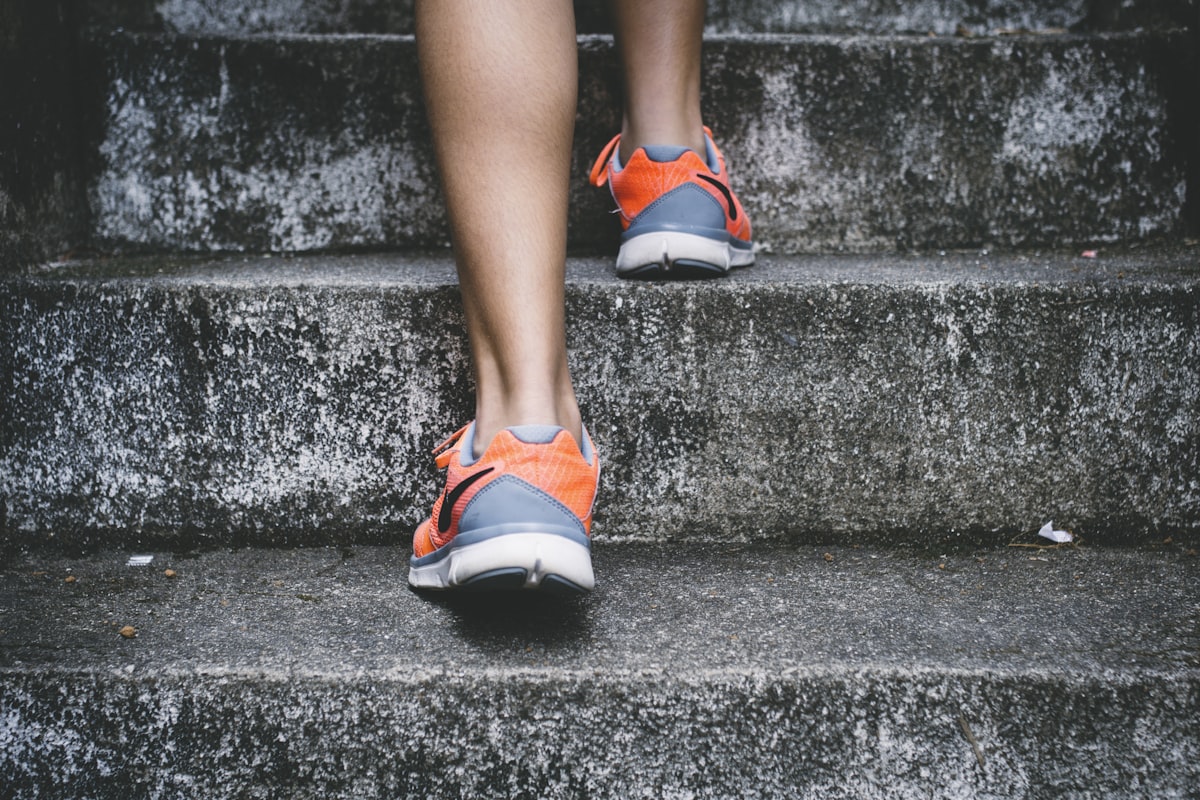
Rebuilding After Illness
Whether you're recovering from surgery, a prolonged illness, a chronic condition flare, or something like long COVID, the principles are similar: start gentle, progress slowly, and listen fiercely to your body.
Types of Recovery 75 Soft Supports
- Post-surgical recovery (after medical clearance)
- Chronic illness rebuilding (during stable periods)
- Post-viral fatigue (including long COVID)
- Mental health recovery (depression, burnout, grief)
- Injury rehabilitation (as part of PT program)
Illness-Specific Modifications
Post-Surgical
- Follow your surgeon's specific exercise restrictions exactly
- "Exercise" might be your prescribed PT exercises
- Keep activity recovery-focused until cleared for more
Chronic Illness/Long COVID
- Pacing is everything—never push into post-exertional malaise
- Heart rate monitoring can help avoid overexertion
- "Exercise" might be 10 minutes of gentle movement, and that's enough
- Build in extra rest days as needed (modify the challenge rather than push through)
Mental Health Recovery
- Exercise even when you don't want to—but keep it gentle
- Walking often works better than high-intensity for depression recovery
- The structure can be helpful or triggering—know yourself
- Reading can be challenging with concentration issues—audiobooks help
Important: Know Your Limits
If you're recovering from anything serious, work WITH your healthcare team. Share that you're doing a gentle wellness challenge and get their input on modifications. The goal is healing, not proving anything.
Modified Rules for Recovery
Here's how each 75 Soft rule might adapt for recovery:
Original: Eat Well 80% of the Time
Recovery Version: Eat adequately first, well second. Prioritize sufficient calories and nutrition. "Well" means "nourishing your recovering body," not "restriction."
Original: 45 Minutes of Exercise Daily (One Active Recovery Day)
Recovery Version:
- Start with 15-20 minutes and build up
- Take 2-3 active recovery days per week if needed
- "Exercise" includes: walking, gentle yoga, stretching, PT exercises, swimming, baby-wearing
- If having a bad symptom day, switch to active recovery—no guilt
Original: Drink 3 Liters of Water Daily
Recovery Version: Keep this one. Hydration supports everything. If breastfeeding, you may need more.
Original: Read 10 Pages of a Book Daily
Recovery Version: Read something. Audiobooks count. Articles count if books feel overwhelming. Brain fog is real—be gentle with yourself.
Original: Alcohol Allowed Once Per Week
Recovery Version: Depends on your situation. Post-surgery or on medications? Possibly none. Breastfeeding? Check with your provider. Mental health recovery? Consider whether alcohol helps or hurts.
The "Mom Edition" Approach
One mom who did a modified 75 Soft shared her approach, which perfectly captures the recovery mindset. According to Carly Riordan's experience:
"I really needed a reset on my habits. I wanted to break the ones I had slipped into mindlessly (candy, coffee, pastries) and build good ones that I had been neglecting (working out, hydration)."
Her Modified Rules
- No candy/pastries/sugary coffee drinks — Specific, concrete, achievable
- 30 minutes of exercise 5x/week — Note: not daily, and not 45 minutes
- At least two Stanleys of water daily — Making hydration tangible
- Read every day for at least 10 minutes — Time-based, not page-based
- Limit on TikTok scrolling — Adding a digital wellness component
Notice what she did: she kept the SPIRIT of 75 Soft (daily habits across movement, eating, hydration, reading) while modifying the SPECIFICS to match her actual life as a mom.
Creating Your Own Mom Edition
Ask yourself:
- What habit most needs a reset right now?
- What's realistic given my current sleep/energy/time?
- What would success look like that isn't about weight or appearance?
- How can I make this work WITH my kids, not despite them?
Mental Health Considerations
Recovery isn't always physical. If you're rebuilding after burnout, depression, anxiety, or grief, 75 Soft can be a powerful framework—or a harmful pressure. Here's how to navigate it:
When 75 Soft Helps
- Structure provides stability during emotional chaos
- Daily exercise has proven antidepressant effects
- Completing something builds confidence and hope
- Healthy habits support emotional regulation
- Reading can be a healthy escape and cognitive exercise
When 75 Soft Might Hurt
- Perfectionistic pressure during already-low periods
- Another opportunity to "fail" if you can't complete it
- Focus on drinking and eating can trigger disordered patterns
- 78 (or 75) days feels impossibly long during acute phases
Mental Health-Safe Modifications
- Make it shorter. Try "14 Days Soft" first. You can always extend.
- Remove the nutrition component. If food rules trigger you, skip that requirement.
- Focus on what ADDS. Frame it as adding movement, water, reading—not restricting anything.
- Work with your therapist. Share your plan, get their input, check in along the way.
- Define success generously. A 70% consistency rate is still transformative.
Important Reminder
If you're in active mental health crisis, 75 Soft might not be the right thing right now—and that's okay. Focus on what your treatment team recommends. The challenge will be here when you're ready.
Realistic Timeline Expectations
Recovery 75 Soft isn't about rapid transformation. Here's what a realistic timeline might look like:
Weeks 1-2: Establishing the Pattern
- Everything feels hard
- You're just trying to string together days
- Energy might dip before it rises
- Celebrate every completed day—seriously
Weeks 3-4: First Signs of Progress
- Some habits start feeling more automatic
- Energy might begin improving
- Sleep often gets better around now
- You remember who you used to be—and start feeling like her again
Weeks 5-8: The Middle Phase
- This is where many people want to quit
- Progress feels invisible
- Routines are somewhat established but not yet easy
- Trust the process even when you can't feel it
Weeks 9-11: Building Momentum
- Habits start feeling like "just what I do"
- Others might notice changes you can't see
- Physical improvements become more noticeable
- You're thinking about what comes after
Final Days: Integration
- Reflection on how far you've come
- Deciding which habits to keep forever
- Pride in completion—especially given your starting point
- Understanding that this was never about perfection
Self-Compassion as the Foundation
If there's one thing that distinguishes recovery 75 Soft from any other approach, it's this: self-compassion is not optional—it's the foundation.
What Self-Compassion Looks Like Here
- Bad days happen. They don't erase good days or define your effort.
- Modification is wisdom, not weakness. Adapting the challenge to your reality is exactly right.
- Your starting point matters. Someone rebuilding after illness who walks 20 minutes is achieving as much as someone at peak fitness doing CrossFit.
- The goal is sustainability. Building habits that last matters more than crushing it for 75 days.
- Your body's needs come first. If your body says rest, rest. The challenge serves you, not the reverse.
Daily Self-Compassion Practices
- Acknowledge what you DID accomplish, not what you didn't
- Speak to yourself like you'd speak to a friend in your situation
- When you skip something, ask "what did I need instead?" not "why did I fail?"
- Celebrate adaptation as success, not compromise
Ready to see what others in similar situations have achieved? Read about transformation stories with context, or explore who 75 Soft is really for.