
While 75 Soft is designed to be gentler and more flexible than extreme challenges, it's still a significant lifestyle commitment. Your safety and health should always come first. Please read these considerations carefully before starting.
Important Disclaimer
This website provides general information and is not a substitute for professional medical advice. Always consult with your healthcare provider before starting any new exercise, nutrition, or wellness program—especially if you have existing health conditions.
Before You Start
Consider having a conversation with your doctor if any of the following apply to you:
- You have any chronic health conditions
- You're currently pregnant or breastfeeding
- You have a history of eating disorders
- You're taking medications that affect hydration or metabolism
- You have heart conditions or blood pressure issues
- You have kidney problems (affecting water intake needs)
- You're recovering from surgery or injury
- You're over 65 or have been sedentary for extended periods
A quick check-in with your healthcare provider can help you modify the challenge safely for your specific situation.
Physical Health Considerations
Exercise Safety
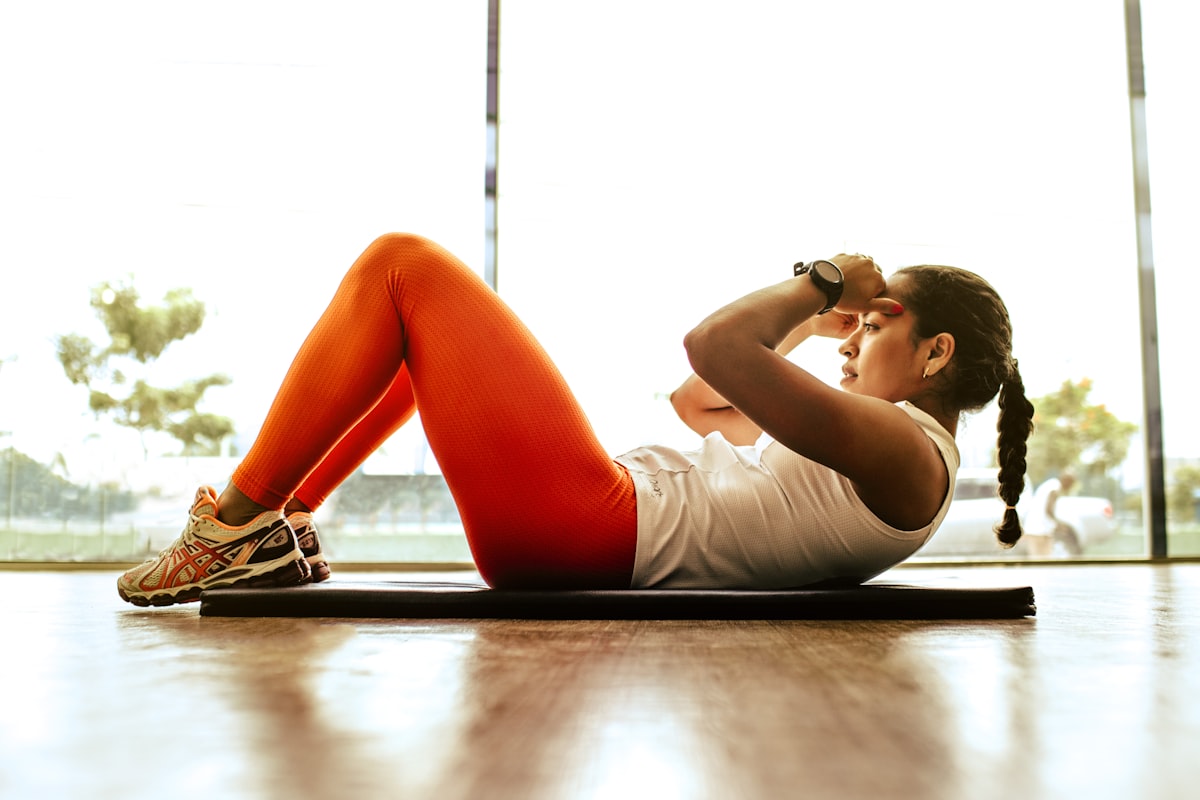
While 45 minutes of daily movement is the 75 Soft standard, this should be appropriate movement for your body. If you're new to exercise, start slowly. If you have injuries or limitations, modify accordingly.
- Warm up before workouts and cool down after
- Don't ignore pain—there's a difference between discomfort and injury
- Take the active recovery day seriously
- Invest in proper footwear and equipment (see our recommended gear guide)
- Stay aware of your surroundings if exercising outdoors
Pregnancy and Postpartum
Many pregnant and postpartum individuals have successfully modified 75 Soft with medical guidance. Key modifications typically include:
- Pregnancy-safe exercises only
- Adjusted hydration based on your provider's recommendations
- Flexible nutrition that prioritizes nourishment, not restriction
- More rest days as needed
- Postpartum: waiting until cleared by your provider before starting
Mental Health & Eating Disorders
This is crucial: while 75 Soft is designed to be gentler than extreme challenges, any structured program around food, exercise, and daily rules can be problematic for some people.
Eating Disorder History
If you have a history of anorexia, bulimia, binge eating disorder, orthorexia, or other eating disorders, please approach 75 Soft with extreme caution—or consider skipping it entirely. The 80/20 eating approach, while flexible, still involves monitoring food choices. For some, this can trigger old patterns.
Signs to Stop or Seek Help
- Obsessive thoughts about food, exercise, or "being good"
- Anxiety or guilt about flexibility within the rules
- Restricting food beyond what feels nourishing
- Compulsive exercise even when sick or injured
- The challenge feels like punishment rather than self-care
Anxiety and Perfectionism
Even without eating disorder history, some people find that structured challenges trigger anxiety or perfectionism. The no-restart rule in 75 Soft is designed to prevent this, but if you notice obsessive tracking, excessive guilt, or that the challenge is harming rather than helping your mental health—it's okay to stop.
Any wellness practice that harms your wellbeing isn't wellness—it's just harm with good marketing. Trust yourself.
Hydration Safety
While proper hydration is essential, more isn't always better. The 3-liter recommendation is general guidance and may not be appropriate for everyone:
- Kidney conditions: May require limited fluid intake
- Heart conditions: Excessive water can stress the heart
- Certain medications: Diuretics, lithium, and others affect hydration needs
- Size matters: A 5'0" person doesn't need the same water as a 6'3" person
Water Intoxication
While rare, it's possible to drink too much water too quickly, which can dilute sodium levels dangerously (hyponatremia). Spread your water intake throughout the day rather than consuming large amounts at once.
When to Modify
75 Soft is inherently flexible, but some situations call for additional modifications:
Illness
When you're sick, rest is medicine. A fever, stomach bug, or respiratory infection calls for recovery, not exercise. Skip or significantly modify movement, focus on nourishment and hydration as your body can handle, and don't feel guilty.
Injury
Exercising through injury often makes it worse. If you're injured, modify your movement to whatever is safe—this might mean upper body work with a knee injury, or only gentle stretching with a back issue. When in doubt, rest.
Extreme Stress or Life Events
Major life events—grief, job loss, family emergencies—may require you to pause or significantly modify the challenge. Self-compassion in these moments is more important than any daily checklist.
Listening to Your Body
The greatest skill you can develop during 75 Soft is intuitive body awareness. This means distinguishing between:
- Resistance (I don't feel like it) — often worth pushing through gently
- Warning (something feels wrong) — requires attention and modification
- Emergency (pain, dizziness, distress) — stop immediately

The Ultimate Rule
No challenge, no streak, no external goal is worth harming your health. The purpose of 75 Soft is to support your wellbeing—if it's doing the opposite, it's not working as intended. Give yourself permission to modify, pause, or stop.
Now that you understand the safety considerations, explore challenge variations that might suit your specific needs, or return to the 75 Soft overview to understand the core framework.
Safety & Medical Articles

Is 75 Soft Safe? What Medical Experts Say
Evidence-based safety analysis from doctors, dietitians, and therapists.
75 Soft and Mental Health: Risks & Benefits
Finding the balance between healthy discipline and obsession.
When You Should NOT Start 75 Soft
Red flags, contraindications, and times when waiting is wiser.

How to Talk to Your Doctor Before Starting 75 Soft
Scripts, questions, and strategies for productive healthcare conversations.
75 Soft for Women: Cycle, Hormones & Life Stages
Adapting the challenge for menstrual cycles, pregnancy, and menopause.