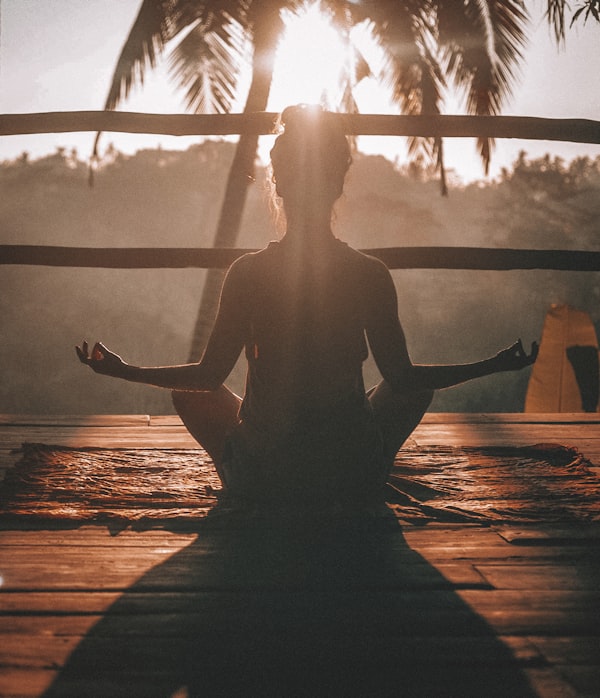
Somewhere along the way, we started treating exercise like punishment. Something to endure, to survive, to "get through." But movement is our birthright. Our bodies were made to walk, stretch, dance, swim, climb. The 75 Soft approach invites us to remember that.
When I started 75 Soft, I dreaded the exercise component. Years of intense HIIT classes and "no pain, no gain" messaging had left me with a complicated relationship with working out. But 75 Soft taught me something beautiful: I could move my body in ways that felt good and still see results. I could choose gentleness and still grow stronger.
Movement, Not Punishment
The 75 Soft exercise rule is simple: move your body for 45 minutes every day. Notice what it doesn't say—it doesn't specify intensity, type, or location. It doesn't require you to reach a certain heart rate or burn a certain number of calories. It simply asks you to move.
This might seem too easy. But here's the wisdom: when exercise is enjoyable and sustainable, you actually do it. And consistent moderate exercise beats sporadic intense exercise every single time. The science on this is clear—adherence matters more than intensity for long-term results.
The best workout is the one you'll actually do. Consistency beats intensity, every single time.
What Counts as Exercise?
Almost anything that gets your body moving counts for 75 Soft. Here's a liberating (not exhaustive) list:
- Walking — The most underrated exercise there is
- Yoga — Any style, from gentle to vigorous
- Swimming — Easy on joints, full-body workout
- Dancing — In your living room, at a class, wherever
- Cycling — Outdoors or on a stationary bike
- Strength training — With weights, bands, or bodyweight
- Pilates — Mat or reformer based
- Hiking — Nature therapy plus movement
- Group fitness classes — The social element helps many people
- Active play — Sports, frisbee, playing with kids
- Gardening — Physical activity that creates beauty

Yes, Walking Counts
I want to emphasize this because so many people ask: walking absolutely counts. A 45-minute brisk walk provides cardiovascular benefits, supports mental health, and is sustainable for decades. Don't underestimate its power.
Workout Ideas by Type
Low-Impact Options
Perfect for beginners, those with injuries, or anyone wanting gentle movement:
- Morning walk around your neighborhood
- Beginner yoga flow (YouTube has thousands of free options)
- Swimming laps at an easy pace
- Gentle cycling on flat terrain
- Tai chi or qigong
Moderate Intensity Options
For those wanting more challenge without exhaustion:
- Power walking or incline treadmill
- Vinyasa yoga flow
- Light strength training with dumbbells
- Dance cardio classes
- Elliptical or rowing machine
Higher Intensity Options
For those who enjoy pushing themselves (but remember—this isn't required):
- Running or jogging
- HIIT workouts (modified to your level)
- Heavy strength training
- Spin classes
- Kickboxing or martial arts
Looking to build muscle while doing 75 Soft? Check out our 10-week strength training program designed specifically for the challenge.
The Power of Active Recovery
One of the wisest aspects of 75 Soft is the built-in active recovery day. This isn't optional—it's essential. Your muscles repair and strengthen during rest, not during the workout itself. Skipping recovery leads to burnout, injury, and diminishing returns.
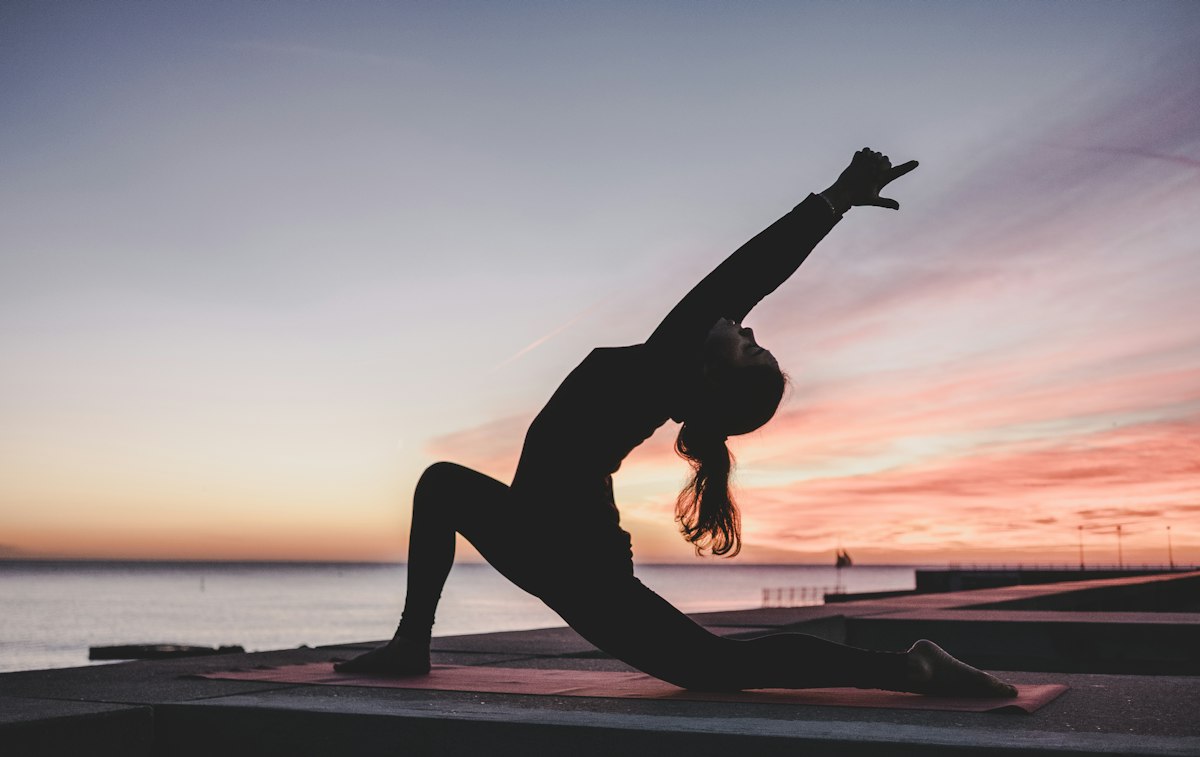
Active recovery still involves movement—just gentle, restorative movement. Ideas include:
- Gentle stretching or yoga
- A slow, easy walk (not power walking)
- Foam rolling and mobility work
- Light swimming
- Restorative yoga with props
A Sample Week of Movement
Here's what a balanced 75 Soft week might look like:
- Monday: 45-minute morning walk
- Tuesday: Yoga flow class (45 min)
- Wednesday: Strength training + stretching
- Thursday: Dance cardio or fun workout video
- Friday: 45-minute walk (maybe with a podcast)
- Saturday: Hiking or outdoor activity
- Sunday: Active recovery — gentle stretching, foam rolling
Splitting Your Time
Can't find 45 consecutive minutes? Many 75 Soft practitioners split their movement: 20 minutes in the morning, 25 minutes after work. The key is that the total adds up to 45 minutes of intentional movement.
Modifications for Every Body
The beauty of "45 minutes of movement" is its adaptability. Here's how different people might modify:
For Those with Physical Limitations
Chair yoga, seated strength exercises, water aerobics, or whatever movement your body can do that day. Some days might be more limited than others—honor where you are.
For Parents with Young Children
Workouts with baby in a carrier, stroller walks, dance parties with kids, playing at the playground while being active yourself.
For Those with Little Time
Split sessions throughout the day, combine exercise with other activities (walking meetings, exercise during lunch), or wake up 45 minutes earlier.
Listen to your body. Some days call for pushing; others call for gentleness. Wisdom is knowing the difference.
Movement works best when combined with proper nutrition. And understanding the psychology behind habit formation can help you show up consistently.