
Here's something no challenge can give you: the belief that you're capable of change. That belief has to be cultivated from within. The 75 Soft Challenge creates conditions for that belief to grow—but the inner work is yours to do.
When I started my 75 Soft journey, I didn't just want to drink more water or read more books. I wanted to heal my relationship with discipline itself. I wanted to prove to myself that I could commit to something without it becoming another source of shame when I inevitably fell short. And that's exactly what happened—but not in the way I expected.
Why Flexible Challenges Work
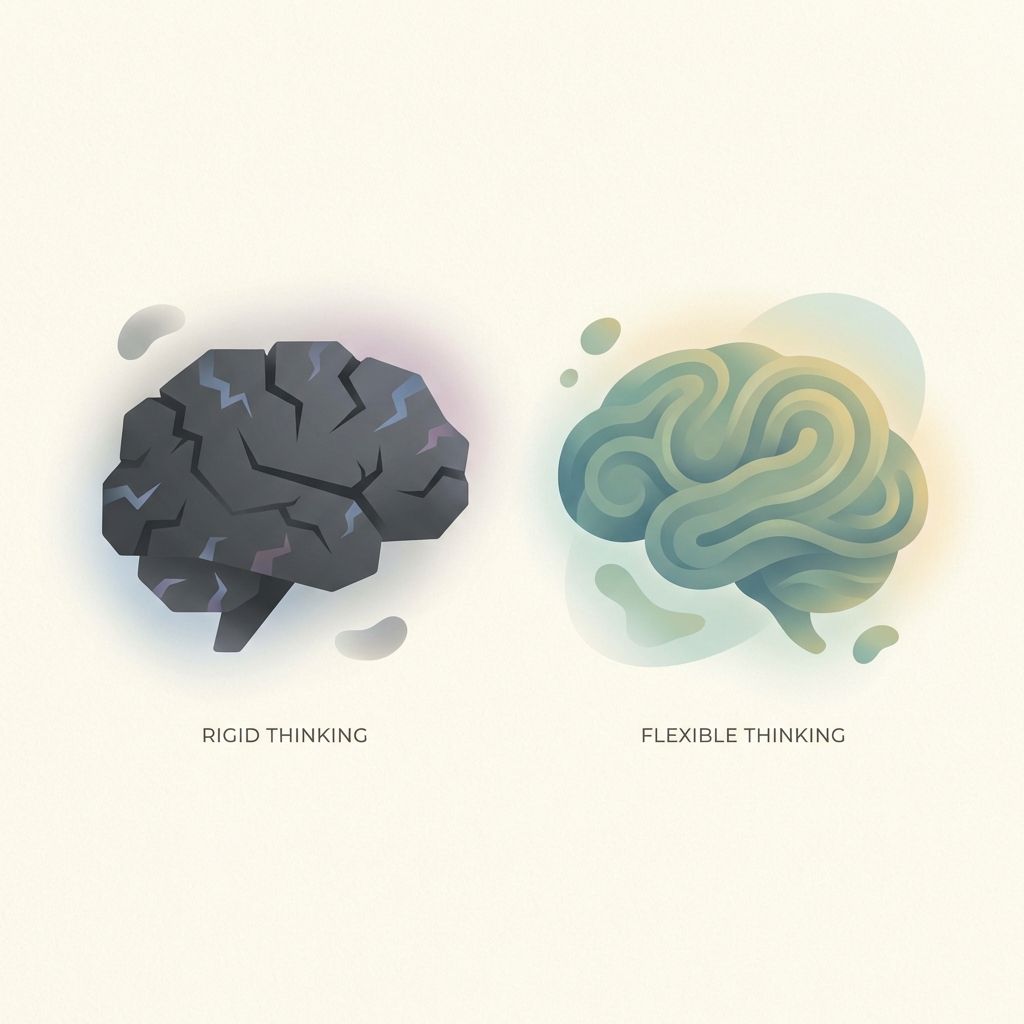
The research on behavioral psychology is clear: extreme programs produce short-term compliance but poor long-term adherence. When rules are too rigid, we either burn out trying to maintain them or rebel against the restriction entirely.
75 Soft works because it builds in the flexibility that human life requires. No restart rule means one imperfect day doesn't erase weeks of progress. The 80/20 eating approach removes the all-or-nothing mentality that dooms most diets. The gentle exercise requirements are achievable even on your hardest days.
Consistency beats intensity. Showing up matters more than showing off. Small, sustainable actions compound into significant change.
Building Habits That Last
James Clear's research in "Atomic Habits" offers a powerful framework for understanding habit formation. Every habit follows a loop: cue, routine, reward. To build lasting habits, you need to make the cue obvious, the routine easy, and the reward satisfying.
Make It Obvious
Put your workout clothes out the night before. Keep your water bottle visible on your desk. Stack your book next to your bed. When the cue is obvious, you don't rely on memory or willpower.
Make It Easy
Lower the barrier to entry. Your workout doesn't need to be at a gym—it can be a walk around the block. Your reading doesn't need to be dense philosophy—it can be something you genuinely enjoy. The easier the action, the more likely you are to do it.
Make It Satisfying
Track your progress visually. Check off your daily habits. Celebrate small wins. The brain needs immediate feedback to reinforce new behaviors.
The Two-Minute Rule
When building a new habit, start with just two minutes. Want to read daily? Start by reading one page. Want to exercise? Start by putting on your workout clothes. Once you've started, continuing is easy.
The Motivation Myth
Waiting for motivation is a trap. Motivation is fleeting, inconsistent, and completely unreliable. What works instead? Systems and environment design.
Instead of asking "How do I get motivated?", ask "How do I make the right choice the easy choice?" Stock your kitchen with nourishing foods so healthy eating is convenient. Schedule your workouts like appointments. Join a community that supports your goals.
The truth is, action often precedes motivation. You don't wait until you feel like working out—you work out, and then you feel good about having done it. Motivation follows action, not the other way around.
Self-Compassion as Strategy
Here's something counterintuitive: self-compassion leads to better outcomes than self-criticism. The research on this is robust. People who treat themselves kindly after setbacks are more likely to try again and succeed than people who beat themselves up.

This doesn't mean lowering your standards or making excuses. It means treating yourself like you would treat a friend who's struggling. Acknowledge the difficulty. Recognize you're doing your best. Then gently redirect toward your goals.
You cannot hate yourself into a version of yourself you love. Transformation happens through compassion, not criticism.
Dealing with Setbacks
Setbacks will happen. You'll miss a workout. You'll skip your reading. You'll drink too much at a celebration. This is not a moral failing—it's being human.
The difference between people who succeed with 75 Soft and those who don't isn't the absence of setbacks—it's how they respond to them. When you stumble, you have two choices:
- Spiral: "I ruined everything. I'm a failure. Why bother continuing?"
- Learn: "What happened? What can I learn? How do I adjust?"
Option two treats setbacks as information, not judgment. Maybe you need to move your workout to a different time. Maybe you need to prep easier meals. Maybe you need more sleep. Setbacks reveal where your system needs adjustment.
The Next Action
When you've had a setback, ask one simple question: "What's my next action?" Not tomorrow, not next week—right now. Maybe it's drinking a glass of water. Maybe it's opening your book. One small action breaks the spiral.
The Power of Daily Reading
The 10-pages-a-day requirement might seem simple, but it's remarkably powerful. Reading personal development books does something that podcasts, videos, and social media can't replicate as effectively: it slows down your thinking.
When you read, you process at your own pace. You pause. You reflect. You reread sentences that strike you. This deep engagement rewires your thinking patterns in ways that passive consumption doesn't.
Over 75 days, reading 10 pages daily means you'll finish at least 750 pages—roughly 2-3 full books. That's 2-3 authors' worth of wisdom entering your mind. The cumulative effect is profound.
Book Suggestions
- Atomic Habits by James Clear — habit formation
- The Gifts of Imperfection by Brené Brown — self-compassion
- Mindset by Carol Dweck — growth vs. fixed mindset
- The Power of Now by Eckhart Tolle — presence
- Untamed by Glennon Doyle — authenticity and courage
Ready to put these principles into practice? Explore our tracking tools to support your daily habits, or read about real transformation stories from the 75 Soft community.
Explore Mindset Topics
The Psychology Behind 75 Soft
Why flexible challenges work better than all-or-nothing approaches for lasting change.
Building Atomic Habits with 75 Soft
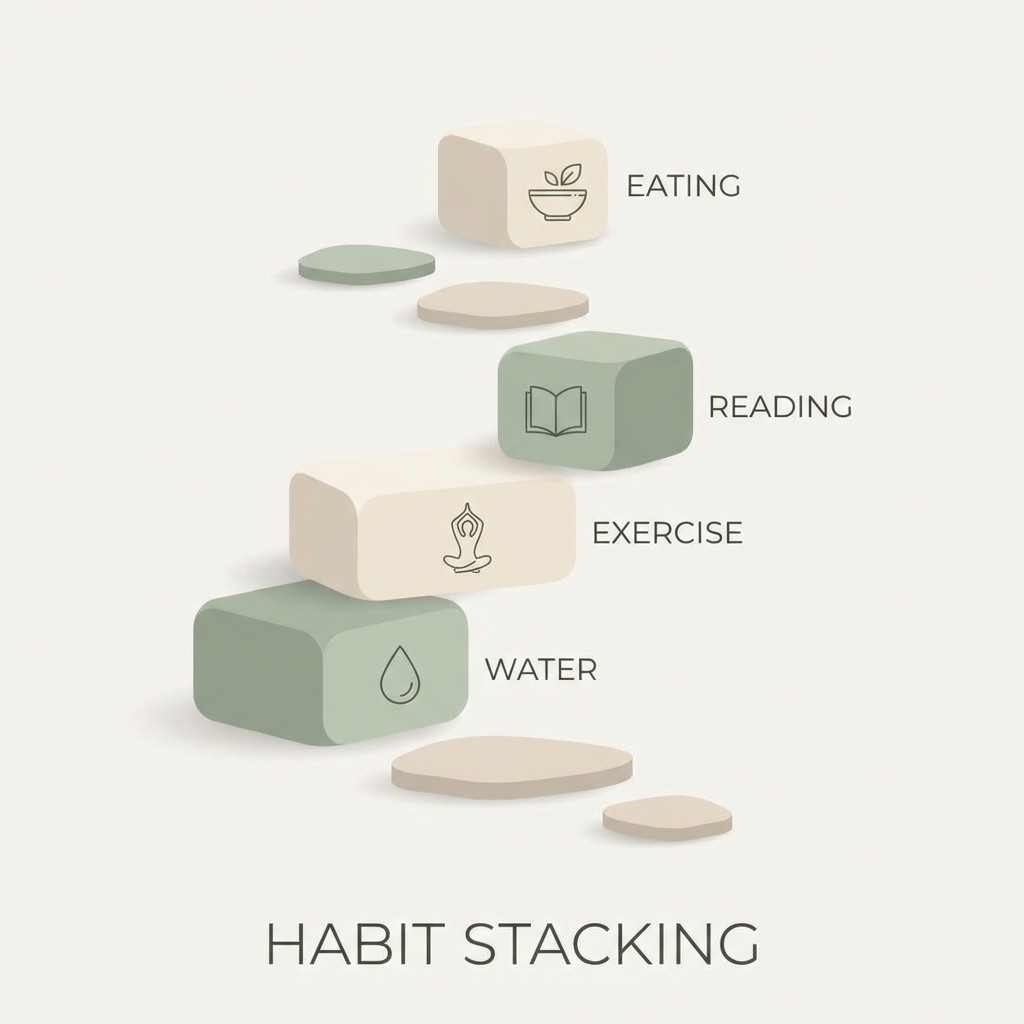
Transform your 75 days into a habit laboratory using the Four Laws of Behavior Change.

How to Stay Motivated for 75 Days
Navigate the motivation valleys, overcome the "messy middle," and finish strong.

75 Days of Journaling Prompts
One powerful reflection question for each day to deepen your self-awareness.

Reset After Burnout or Life Transitions
A compassionate framework for rebuilding after life's hardest moments.